
Has your wall socket stopped working? You need to fix it as soon as possible, as it can cause a fire risk and also cut off power to your devices, disrupting your daily life. So, what to do when your wall socket stops working? Should you call an electrician or try to fix it yourself?
We’ll tell you what the best things are that you can do in this situation. Stay around until the end of this piece of writing. Moreover, LS Electrician Servicing Singapore’s detailed process is a guide on this matter. Let’s also not forget their efficient services in light protection systems, power failure troubleshooting, and house re-wiring domains.
Reasons Why a Wall Socket Stops Working
Various reasons cause the wall socket to stop working, and these include:
- The breaker might’ve tripped and cut the power.
- A fuse could blow, stopping electricity flow.
- Loose wires might be causing the issue.
- The socket could be burned or damaged.
- It might be the appliance, not the socket.
- A power surge may have fried the socket.
- The safety switch could’ve tripped for protection.
- Water or moisture might’ve gotten into the socket.
- The socket could just be old and worn out.
- Rodents may have chewed through some wires.
- There could be hidden wiring problems inside the wall.
What to Do When Your Wall Socket Stops Working in Singapore?
It’s agitating when your wall socket stops working, as your life totally depends on it. All of your devices run through it, and when it’s not working, the whole setup stops working.
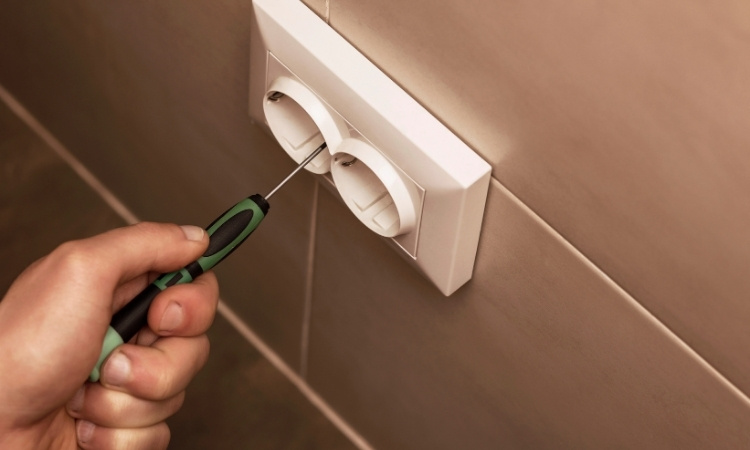
But don’t worry, these are the things that you can do when your wall socket stops working in Singapore.
Check Other Sockets Around
Try plugging the same device into other sockets in the same room. If more than one isn’t working, it could be a bigger issue with that circuit. If only one socket is down, it’s likely a local fault.
This helps you figure out whether you’re dealing with one bad outlet or something affecting more of the home.
Test With Another Appliance
Sometimes, it’s not the socket. It’s the thing you plugged in. Grab something else that works, like a lamp or phone charger.
Plug that into the socket. If it powers on, the issue is your device, not the wall. If nothing works there, now you’re sure the socket is the one slacking off. Don’t skip this. Saves time and unnecessary stress.
Look for Any Visible Damage
Take a closer look at the socket. Any black marks? Cracks? Melted edges? That’s bad news. It means the socket might’ve shorted or overheated.
Also, check if the socket feels loose when plugging things in. If anything looks off, stop using it. Damaged sockets can lead to bigger problems like fires. Do not try to fix this on your own.
Check Your Circuit Breaker
Open your electrical panel. It’s usually in the kitchen or utility area. Look for any switches that are off or halfway down.
That means the breaker tripped. Flip it back up firmly. Try the socket again. If it works now, good.
If it trips again right after, stop everything. Something’s wrong and needs a professional. Don’t keep resetting it repeatedly.
Unplug All Appliances
If your breaker keeps tripping, unplug everything connected to that part of the house. One faulty appliance could be overloading the circuit. Once everything is unplugged, reset the breaker and test the socket again with one simple device.
If it works now, the issue was likely one of the items. If it still doesn’t work, you’re back to a socket or wiring issue.
Check Safety Switch (RCD)
Some homes in Singapore have a Residual Current Device, also known as a safety switch. If there’s a surge or leakage, this switch turns everything off for safety.
Find it in your circuit panel. If it’s off, flip it back up. If it trips again right away, something’s wrong. Don’t ignore this. The safety switch is there to prevent serious risks like shocks.
Don’t Use Extension Cords as a Fix
People often grab an extension cord and plug their stuff into another socket. That might work for now, but don’t rely on it. Using extension cords long-term can overload circuits or cause overheating.
It’s a temporary solution, not a fix. If a socket isn’t working, it needs to be repaired. Otherwise, you’re just adding another possible failure point.
Call a Licensed Electrician
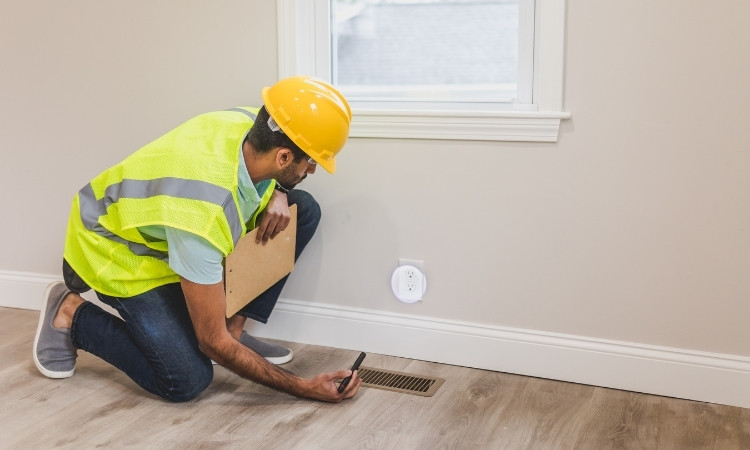
If you’ve checked everything and it’s still not working, call a licensed electrician in Singapore. They’ll have the tools and skills to test the wiring and socket safely.
Don’t try to remove or open the socket yourself. It’s not like fixing your phone screen. You can get shocked, or worse. A pro can fix it quickly and properly without any drama.
Avoid DIY Fixes
YouTube might make it look easy, but fixing sockets isn’t a fun weekend project. There’s real danger in messing with live wires. Even turning off the power isn’t foolproof if you don’t know what you’re doing.
One wrong move and you’re in the emergency room. Always let a certified electrician handle anything behind the wall or inside the socket.
Get the Socket Replaced If Needed
If the socket is old, burnt, or just unreliable, replacing it is often the best move. Don’t keep patching up something that keeps failing.
Ask the electrician to put in a new one. New sockets are safer and often better built than older ones. Also, don’t ignore it thinking it’s minor. A bad socket today can mean bigger problems later.
Final Words
A faulty wall socket can disrupt your life and keep you from working. So, what do when your wall socket stops working? Check that the socket switch is on, plug a different device to rule out the appliance.
Try that device in another socket, and test if it works elsewhere. Look for burn marks or smell, stop using it if anything looks wrong.
Open the breaker box, flip up any tripped switch. Unplug all appliances, reset the breaker and test again.
Check the safety switch, turn it back on if off. Still not working? Call a licensed electrician right away.