
Prevent an electrical fire before it becomes a dangerous reality. In Singapore, where we live in high-rise buildings and densely packed neighborhoods, a small spark can lead to a serious emergency not just for one household but for the entire block. Many families think a short-circuit or overheated plug is nothing serious until it’s too late.
We’ve seen cases where an overloaded power strip caused a kitchen fire, or where outdated wiring inside older HDBs went unnoticed until smoke filled the unit. These are not rare incidents. They’re preventable, and this guide will walk you through every step you need to take. Read on to know how to prevent an Electrical Fire in Singapore.
Moreover, LS Electrician Servicing Singapore’s detailed process is a guide on this matter. Let’s also not forget their efficient services in switch installation, power socket installation, and exhaust fan installation domains.
Why Electrical Fires Happen in Singapore
The hot, humid weather puts pressure on electrical systems in Singapore. Common causes are faulty wiring, overloaded sockets, and poor maintenance. According to the Singapore Civil Defence Force (SCDF), the most widespread reason behind home fires is electrical fires. The first step to preventing an electrical fire is to understand these risks.
Practical Measures to Prevent an Electrical Fire in Singapore
1. Schedule Regular Electrical Inspections
Wiring in Singapore houses can degenerate with time, particularly in old HDB flats constructed in the 1970s or 1980s. Moisture facilitates faster deterioration of insulation and poses fire risks. Have a registered electrician test your wiring every 5-7 years.
Examine the warning signals, such as flickering lights, buzzing in the switches, or warm switch plates. These are indicators of danger. Routine checks form a core element of preventing an electrical fire in Singapore.
2. Don’t Overload Power Points
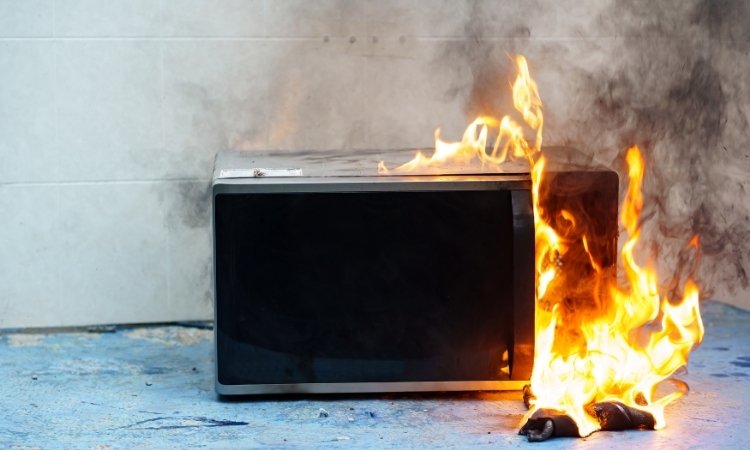
The electrical system in Singapore is 230V, and it is reliable, but it does not withstand overloads. Overheating can result when using several high-power electronics, such as air conditioners, microwaves, and kettles, plugged into the same power socket.
Install special outlets for heavy appliances. Never daisy chain extension cords, which is common in space-tight Singapore homes. Spreading out your electrical load helps prevent an electrical fire.
3. Choose Certified Electrical Appliances
Fake or sub-standard appliances pose a risk of catching fire. In Singapore, always look for the SAFETY Mark, a certification by Enterprise Singapore. This ensures the appliances have high safety standards.
Case in point, do not use cheap phone chargers sold by unverified online sellers. There are reports of several fire outbreaks in Singapore due to faulty chargers in 2023. You can prevent electrical fires by investing in good products.
4. Install and Test Residual Current Circuit Breakers (RCCB)
An RCCB is a lifesaver. It switches off during electrical faults, preventing possible fires. The typical HDB flats constructed post-1994 are fitted with RCCBs, whereas older houses might not have them.
If your home lacks one, hire a licensed electrician to install it. The RCCB should be tested every month by pressing the test button. A working RCCB is essential to avoid an electrical fire in Singapore’s high-rise homes.
5. Use Extension Cords Wisely
The heavy use of extension cords has become the easy answer in the confined living spaces of Singapore. Nevertheless, it can overheat when misused. Choose cords with the SAFETY Mark and avoid overloading them.
Do not have cords run under rugs or furniture, which traps heat and raises the risk of fires. Treat them like a short-term solution and not a long-term arrangement. This practice helps to prevent electrical fires.
6. Maintain Cooling Appliances
Fans and air conditioners are a must in the year-round heat of Singapore. Motors in such units can overheat due to the accumulation of dust and grime and ignite a fire. Replace or clean the aircon filters 1-2 times a month.
Have a professional service done at least once a year. For example, a clogged aircon unit in a Bedok HDB flat caused a minor fire in 2024. Regular maintenance helps prevent an electrical fire.
7. Unplug Unused Devices
With a humid climate in Singapore, there is a tendency for moisture to creep into the plugs and cords, leading to shorts. Toasters, hairdryers, and chargers should be unplugged when they are not in use.
This minimizes wear on the cords and overheating. As an example, sparks may occur when a charger is left in a moist room plugged in overnight. Unplugging is a simple way to avoid an electrical fire.
8. Upgrade Old Electrical Panels
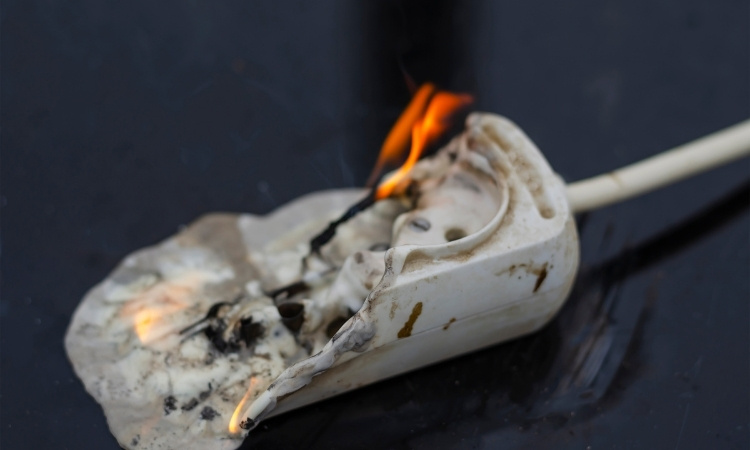
Singapore has older houses that might possess an outdated electrical panel unable to support the current load of modern appliances. Consider replacing an old circuit breaker panel that has a fuse box with a modern circuit breaker panel.
This makes your system compatible with such devices as smart TVs and induction cookers. Ask an expert electrician to examine the capacity of your panel.
9. Keep Flammable Items Away from Outlets
In Singapore’s high-rise homes, space is tight, and outlets are often near curtains, papers, or furniture. Keep flammable materials at least 30 cm away from power points. DIn the festive seasons, do not overload sockets with decorative lights. This will decrease fire hazards of closely knit HDB corridors or condominium units.
10. Educate Your Family
Awareness is the beginning of fire safety. Educate your family, particularly the children, on the use of household appliances safely. Show them how to spot damaged cords or avoid tampering with sockets.
The SCDF’s Fire Safety Ambassador Programme offers free resources for families. In Singapore, community efforts like these help spread knowledge about preventing an electrical fire.
Conclusion
Not all dangers make noise before they strike. To prevent an electrical fire, you don’t need to be an expert. In Singapore, we live in tight-knit communities, and a single mistake can affect others beyond our own walls. Be it replacing your plugs, seeking the services of a licensed electrician, or upgrading to safer power boards, little steps make a difference.
Electrical fire prevention isn’t just about avoiding damage. It’s about protecting your home, your neighbors, and your loved ones. Be alert. Make safety a habit because the best fire is the one that never happens.