
Teach Your Kids About Electrical Safety in Singapore before they discover it the hard way. In a modern home filled with gadgets, power sockets, and extension cords, children are always curious about the things that light up or buzz. In Singapore, where nearly every home relies on high-voltage appliances and multi-socket adapters, it’s necessary to help your child understand the dangers of electricity.
Singaporean households are compact, well-wired, and loaded with smart devices. That’s why Electrical Safety for Kids must be a part of your everyday parenting. In this guide, we’ll walk you through seven things to teach your children about electrical safety without scaring them, but by making them aware.
Moreover, LS Electrician Servicing Singapore’s detailed process is a guide on this matter. Let’s also not forget their efficient services in switch installation, house rewiring, and light bulb replacement domains.
1. Stay Away From Power Sockets
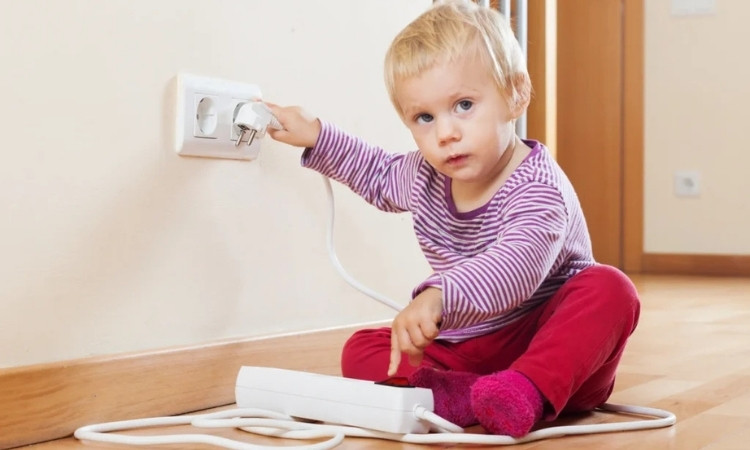
Power sockets are everywhere in Singapore homes. Teach your kids to avoid sticking fingers or objects into sockets. Explain that sockets carry strong electric currents that can cause shocks or burns.
Use socket covers in your HDB flat or condo to prevent access. Show them that only plugs belong in sockets. Make it a rule: never touch a socket with wet hands. Singapore’s humid climate can make wet hands more dangerous around electricity.
2. Don’t Play With Electrical Cords
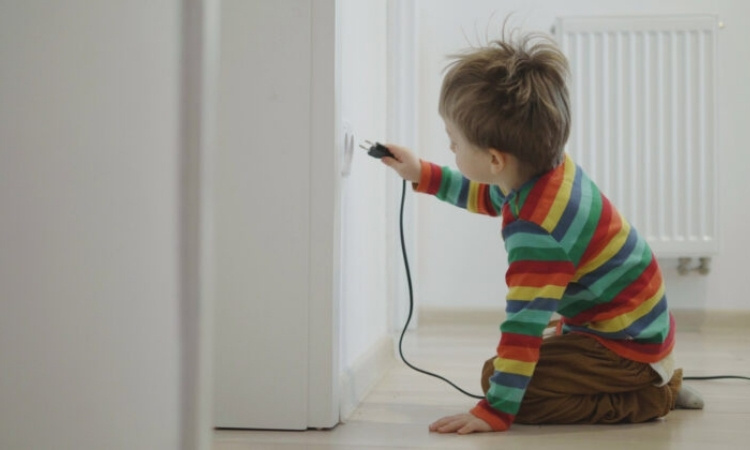
Cords from appliances like fans or chargers can look like toys to kids. Teach your children about electrical safety by explaining that cords are not for playing with. Damaged cords can cause shocks or start fires.
In Singapore, many homes use extension cords due to limited socket space. Check cords regularly for fraying or damage. Tell kids to report any worn-out cords to you. Keep cords out of reach or neatly tied up to avoid tripping or pulling.
3. Understand the Dangers of Water and Electricity
Water and electricity don’t mix. Rain and humidity are frequent in Singapore, which makes wet appliances a risk. You should teach your children about electrical safety by telling them why wet hands or wet surfaces around a plug are not safe.
As an example, it can be unsafe to use a hairdryer near a sink. Demonstrate to them how to avoid spilling water onto an appliance such as a kettle or toaster. In Singapore, bathrooms often have electric water heaters. Teach kids never to touch switches with wet hands.
4. Avoid Overloading Power Strips
In Singapore, power strips are common in homes with many gadgets. Children can have several devices plugged in without being aware of the dangers. Describe how power strips can be overloaded, leading to overheating or fires.
Teach your kids about electrical safety, and this should include educating them about the proper use of power strips. Limit the number of plugs in one strip. Power strips with surge protectors can be found in almost every store in Singapore, such as Courts or Best Denki. Learn to unplug everything that is not in use.
5. Recognize Electrical Warning Signs
Kids need to know the signs of electrical problems. Train them on how to observe such problems as flickering lights, buzzing sounds, or burning odor. This may indicate the wrong wiring, which is a fire hazard in the densely populated buildings in Singapore.
Explain to them that in case they see such signs, they have to tell an adult immediately. The Housing and Development Board (HDB), in Singapore, suggests routine electrical inspections. Share this with your children so that they learn the importance of reporting problems.
6. Stay Safe During Thunderstorms
The rate of lightning strikes in Singapore is one of the highest in the world. Train your children to stay indoors when there is a thunderstorm. Tell them that buildings can be struck by lightning, which can lead to electrical surges.
Tell them not to use plugged-in devices like computers or TVs during a storm. Electronic devices that use a battery, like tablets, are safer. Share the “30-30 Rule”: if you see lightning and hear thunder within 30 seconds, stay indoors. This rule is taught in Singapore schools and is easy for kids to remember.
7. Learn Basic Emergency Responses
Kids should know what to do in an electrical emergency. Teach them to stay calm and not touch anyone who is shocked. Show them how to turn off the main power switch in your home. In Singapore HDB flats, this is usually in the utility area.
Explain how to call 995 for emergencies. Practice these steps with them. Knowing how to Act can save lives. Electrical safety for kids includes being prepared for worst-case scenarios.
Why It Matters More in Singapore Homes
Singapore’s residential units often include compact layouts with electrical sockets near furniture, appliances, and beds. The risk of contact is higher for smaller children, especially when space-saving devices like extension cords and power banks are used daily.
The combination of high humidity, modern appliances, and heavy electrical usage means that electrical safety for children should never be overlooked.
Teach your little ones to stay safe at home with these important electrical safety tips for kids that are easy to understand and follow. Helping your kids build awareness now will protect them later. Plus, when children know the rules, they’re more likely to remind their siblings or even friends, creating a safer home environment overall.
Key Takeaway
You need more than just one talk to Teach Your Kids About Electrical Safety in Singapore. You need daily reminders, clear demonstrations, and patience. It should be a part of their surroundings. Simple things such as charging phones safely and staying away from power points can save you a lot of trouble by avoiding a serious accident.
When you teach your kids about electrical safety, you’re giving them a lifelong habit of caution and care. It’s a responsibility that every Singaporean parent must take seriously and begin early.