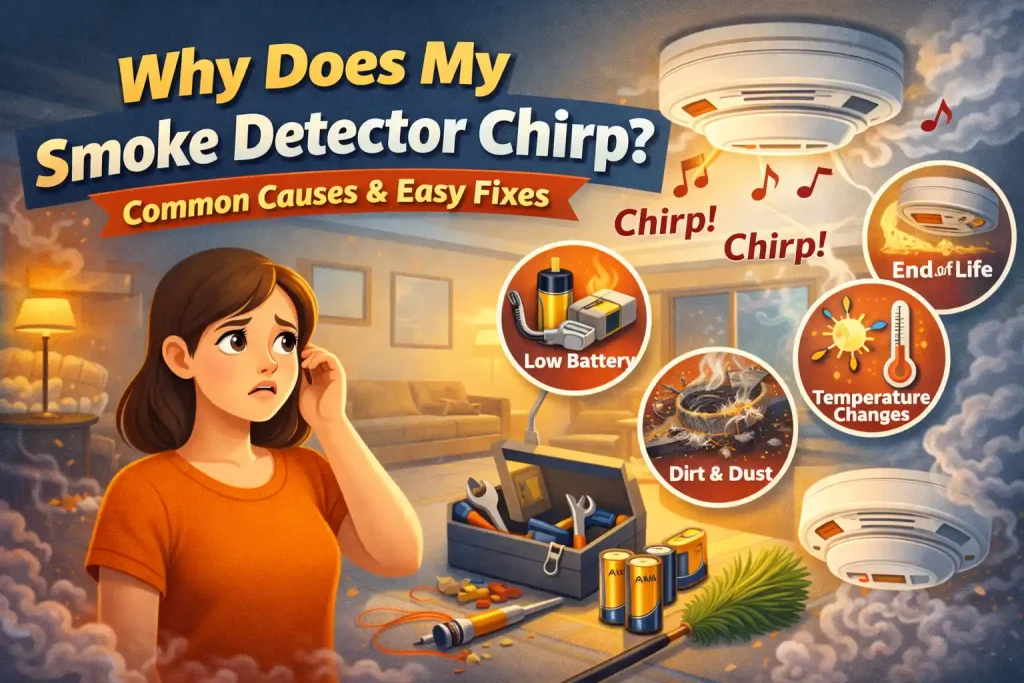
That constant beeping in the middle of the night isn’t just annoying, it means your smoke detector might not be working properly. For many Singaporean homeowners, the main issue is the confusion and worry that follows: is there a fire, or is the detector simply faulty? In our humid climate, dust and moisture can trigger the beeping as often as a low battery. Our guide explains Why Does My Smoke Detector Chirp, breaking down the different beep patterns and causes, from low voltage to sensor issues. We’ll show you how to stop the noise and make sure your home stays safe with a fully functional detector.
Understanding the Sound of Your Smoke Detector
Before jumping into troubleshooting, it’s important to recognize the different types of sounds your smoke detector can make and understand their meaning. Smoke detectors use sound patterns to communicate specific issues, and interpreting these sounds correctly is key to knowing what actions to take.
What Does Chirping or Beeping Mean?
Smoke detectors use various sounds to communicate issues with the unit, and each type of beep or chirp has a distinct meaning. If your smoke detector is chirping intermittently, it could indicate a minor problem like a low battery or maintenance needs. A continuous, loud beeping or alarm typically signals an emergency, such as detecting smoke or fire.
- Continuous Beeping: This is the standard fire alarm sound. It is a loud, steady beeping, which means that smoke has been detected, and you should evacuate your home immediately and call emergency services.
- Intermittent Chirping: A short, regular chirp often signals a low battery. Many smoke detectors emit a chirp approximately every 30 seconds or so to alert you that the battery is nearly depleted and needs replacement.
- Series of 3 Beeps: In some smoke detectors with carbon monoxide detection, a series of three short beeps indicates the presence of carbon monoxide in your home, which can be fatal. You should evacuate the home immediately if you hear this sound.
It’s important to not panic immediately if you hear a chirp. Check the type of sound carefully, as it could be a simple warning instead of an emergency.
The Importance of Knowing the Difference
Recognizing the differences between the chirping sounds is critical. Chirping typically indicates that the detector is functioning normally but requires attention, such as a battery change or cleaning. However, continuous beeping signifies an immediate threat, and you must respond by evacuating your home. By understanding the type of sound, you can quickly address the problem without overreacting or delaying necessary actions. Knowing this difference helps you prioritize the safety of your family and home.

Common Reasons Your Smoke Detector Is Chirping
There are several common causes behind a smoke detector’s chirping sound. Let’s go through each of them in detail to help you identify the issue and take the appropriate action.
1. Low Battery or End-of-Life Warning
The most common reason for a smoke detector to chirp is a low battery. Most detectors are equipped with a built-in alarm that sounds when the battery reaches a certain level of depletion, usually indicating it has only a few days of life left.
- What It Means: When the battery gets too low, your smoke detector will chirp periodically, reminding you that it’s time to replace the battery. Typically, the chirping will continue until the battery is changed. This is a preventative feature, so you don’t end up with a dead detector at the wrong time.
- Solution: To resolve this, simply replace the battery with a new one. Use the correct size, typically 9V or AA batteries depending on your smoke detector model. It’s essential to replace the battery immediately to avoid compromising the safety of your home. Additionally, it’s recommended to test the detector after replacing the battery to ensure it’s working properly.
End-of-Life Warning
Another reason for the chirping could be that your smoke detector is nearing the end of its life. Smoke detectors typically last 7-10 years. After this time, their sensors can become less sensitive and the internal components degrade, making the detector ineffective.
- What It Means: Some smoke detectors chirp or beep when they’ve reached the end of their useful life, even if the battery is still functional. This sound alerts you that it’s time to replace the unit.
- Solution: Check the manufacturing date of your smoke detector, typically found on the back of the unit. If it’s over 7-10 years old, it’s best to replace the detector entirely.
2. Dust or Debris in the Detector
Another frequent cause of chirping is dust or debris that accumulates inside the smoke detector. Dust can interfere with the sensor, causing false alarms or irregular chirping sounds.
- What It Means: Dust or cobwebs inside the smoke detector can obstruct the sensor, causing it to malfunction. A clogged sensor will sometimes trigger the unit to chirp as a way of signaling that it needs maintenance.
- Solution: Cleaning your smoke detector can often fix this issue. Use a vacuum cleaner with a soft brush attachment or a can of compressed air to clean the detector. Gently remove any debris or dust particles to ensure the detector works properly.
3. A Faulty or Broken Smoke Detector
Over time, smoke detectors can become faulty due to wear and tear. A broken sensor or defective unit can cause chirping, even when everything seems to be in order.
- What It Means: A malfunctioning smoke detector may chirp continuously as a warning that it’s no longer functioning correctly. This could be due to an internal issue, like a broken sensor or wiring problem.
- Solution: If replacing the battery and cleaning the unit don’t stop the chirping, it’s time to replace the smoke detector. If you are unsure about the issue, it’s best to contact an electrician or a smoke detector expert for a professional assessment.
A malfunctioning unit could be due to an internal sensor failure; our electrical troubleshooting team can determine if the unit needs a simple fix or a full replacement.
4. Connectivity Issues with Hardwired Smoke Detectors
For hardwired smoke detectors, connectivity issues with the power source could be causing the chirping sound. This may occur if there’s a loose wire or problem with the power connection.
- What It Means: A loose or faulty connection can disrupt the power supply, causing the smoke detector to chirp as a warning that it’s not receiving enough power to function properly.
- Solution: If your smoke detector is hardwired, you may need to check the wiring and ensure all connections are secure. If you’re unsure about how to check or repair wiring, it’s always safest to call a licensed electrician to inspect and repair the unit.
If your smoke detector continues to chirp or if you need help with installation or repairs, contact LS Electrician Services Singapore today for expert assistance.
Troubleshooting and Fixing Smoke Detector Chirping

Once you’ve identified the potential cause of the chirping, you can take specific steps to address the issue. Below are some solutions and maintenance tips to help you troubleshoot and fix your chirping smoke detector.
1. How to Replace Your Smoke Detector Battery
Replacing the battery is usually the first and easiest step in solving a chirping smoke detector. Here’s how you can do it:
- Turn off the power: If it’s a hardwired detector, turn off the power at the breaker before touching the unit.
- Remove the detector: Detach the smoke detector from its mounting bracket.
- Replace the battery: Remove the old battery and insert a new one. Make sure you follow the correct polarity.
- Test the unit: After installing the new battery, press the test button to ensure that the detector works. If it doesn’t, double-check the battery installation and connections.
By replacing the battery, you ensure that your smoke detector remains functional and reliable. After replacing your 9V or AA batteries, ensure you dispose of the old ones at NEA e-waste collection points located across Singapore.
2. How to Clean Your Smoke Detector
Cleaning your smoke detector regularly can help maintain its performance and prevent chirping due to dust accumulation.
- Turn off the power: If the unit is hardwired, switch off the power at the breaker.
- Vacuum or blow out dust: Use a vacuum cleaner with a soft brush attachment or a can of compressed air to remove dust and debris from the unit.
- Check for obstructions: Ensure that there are no cobwebs or debris inside the unit that could block the sensor.
- Test the detector: After cleaning, test the detector to make sure it’s working properly.
3. When to Replace Your Smoke Detector
If your smoke detector is over 7-10 years old and continues to chirp despite replacing the battery and cleaning it, it’s likely time to replace the unit. Aging detectors can lose their sensitivity, making them less effective at detecting smoke or fire.
Preventing Future Smoke Detector Chirps
While addressing the immediate cause of the chirping is essential, it’s equally important to maintain your smoke detector to prevent future issues. Regular upkeep can help avoid false alarms and ensure the detector is always functioning at its best. Below are some tips for maintaining your smoke detector and avoiding those annoying chirps in the future.
1. Regular Maintenance and Testing
Regular maintenance and testing are crucial for ensuring your smoke detectors remain in working condition. Smoke detectors should be tested at least once a month to ensure they are functioning properly. Testing your detector is simple; just press the test button on the unit, and listen for the alarm. If it doesn’t sound, there’s likely an issue with the battery or the unit itself.
- How to Test Your Smoke Detector: Press the “test” button located on the face of your smoke detector. If the unit is working, it will emit a loud alarm. If it doesn’t, you may need to change the battery or replace the unit entirely.
Additionally, monthly testing ensures that the detector is still able to detect smoke effectively. Visual inspections should also be part of your routine, look for signs of wear or any accumulation of dust around the unit. Regularly test the alarm and check the functionality of your smoke detectors to prevent any unexpected issues.
2. Proper Installation Location
Where you place your smoke detector can greatly impact its performance. Placing the smoke detector in the right location will prevent false alarms while ensuring it’s effective at detecting smoke or fire. Many detectors chirp due to incorrect placement, often in areas where environmental factors interfere with the sensor’s ability to function correctly.
- Best Locations: Smoke detectors should be installed on the ceiling or high on the wall, at least 10 feet away from cooking appliances or heating sources. This helps prevent false alarms from things like cooking smoke or steam while ensuring that the unit can still detect a fire quickly.
- Avoid High-Humidity Areas: Don’t place smoke detectors in or near bathrooms, where high humidity levels from showers can trigger false alarms. Similarly, avoid placing detectors directly above kitchens or stoves where cooking fumes can interfere with their sensors.
3. Upgrade to Smart Smoke Detectors
If you’re looking for more advanced features and better control over your smoke detectors, consider upgrading to smart smoke detectors. Smart detectors offer a range of benefits, such as remote monitoring and notifications sent directly to your smartphone. This added level of connectivity means that even if you’re not home, you can still be alerted if something is wrong.
- Benefits of Smart Detectors: These detectors provide real-time alerts, so you can quickly take action in case of an emergency. Many smart detectors are integrated with home automation systems, allowing you to control them remotely. Additionally, smart detectors can notify you when it’s time to replace the battery or clean the unit, preventing unnecessary chirping.
- Integration with Home Systems: Some smart smoke detectors can be connected to other smart home devices, such as smart thermostats, security systems, and even smart lights. This integration helps improve overall home safety, making it easier to monitor all aspects of your home’s security and emergency systems.
Frequently Asked Questions
1. Why Does My Smoke Detector Chirp Once Every Minute?
A chirp every minute is typically a sign that the battery is low. Most smoke detectors emit this sound to alert you that the battery needs replacing. If the chirping continues after replacing the battery, the smoke detector may be faulty or near the end of its life. Replace the battery with a fresh one and test the unit to see if the chirping stops. If the problem persists, consider replacing the entire detector.
2. Can a Dirty Smoke Detector Cause Chirping?
Yes, dust and debris inside the smoke detector can interfere with its sensors and cause it to chirp. When dust accumulates on the sensors, it can prevent them from detecting smoke effectively, leading to false alarms or intermittent chirping. Clean the detector using a vacuum or compressed air to remove dust and debris. This should help prevent the chirping caused by dirt buildup.
3. How Do I Stop My Smoke Detector from Chirping at Night?
If your smoke detector keeps chirping at night, the most common causes are a low battery or a dust buildup. It’s also possible that the detector is at the end of its life. Replace the battery immediately or clean the smoke detector. If the chirping continues despite these fixes, it may be time to replace the unit.
4. Can Steam from the Shower Cause a Smoke Detector to Chirp?
Yes, steam from a shower can set off a smoke detector, causing it to chirp or even trigger a false alarm. Smoke detectors are sensitive to any type of airborne particle, including water vapor. Ensure that your smoke detector is installed away from the bathroom and any areas where steam is likely to accumulate. This will help prevent false alarms caused by humidity.
Final Verdict
Understanding the reasons behind a chirping smoke detector is crucial for keeping your home safe. While a chirp can often be a simple fix, such as replacing the battery or cleaning the unit, it’s important to respond promptly to any sounds from your smoke detector. Regular testing, proper installation, and routine maintenance will ensure your smoke detector functions correctly and provides the safety you rely on.
If you find that your smoke detector continues to chirp despite your efforts to resolve the issue, or if you need help with installation, cleaning, or upgrading to a smart smoke detector, LS Electrician Services Singapore is here to help. Our team of experienced electricians can inspect your system, install new detectors, and ensure your home is safe from fire hazards.