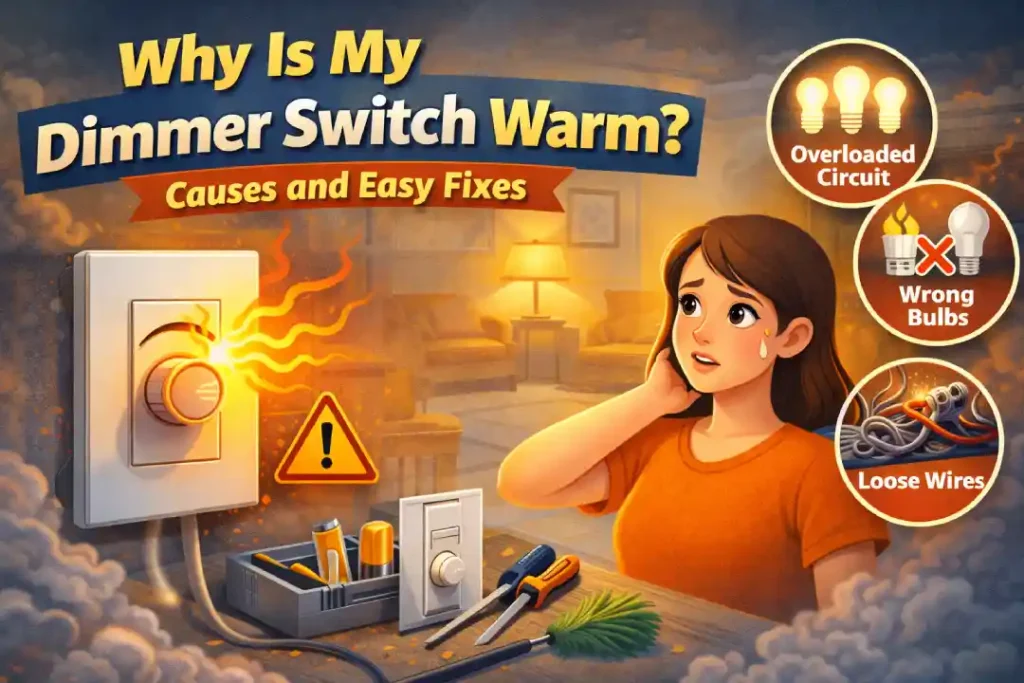
If you’ve noticed that your dimmer switch feels warm to the touch, you’re not alone. Many homeowners experience this issue, but not all are sure whether it’s normal or a sign of a problem. While a slight warmth is often expected, a hot dimmer switch could be a cause for concern. It’s important to understand why this happens, when it’s a problem, and what steps you can take to fix it. We’ll tell you why is my dimmer switch warm or its common causes behind, the risks associated with overheating, and how to troubleshoot the issue or how to prevent future problems and when to call an electrician for professional help.
Understanding How Dimmer Switches Work
Before we address the causes of a warm or hot dimmer switch, it’s important to understand how these switches function. A dimmer switch is designed to adjust the brightness of your lights by controlling the amount of electricity that flows to the light fixture. This allows you to create the perfect ambiance, save energy, and increase the lifespan of your bulbs.
How Do Dimmer Switches Work?
A dimmer switch works by varying the voltage sent to the lightbulb. When you adjust the dimmer, the switch uses either a resistor or a triac-based mechanism to reduce the current that reaches the light. The purpose of this is to adjust the brightness of the light without fully turning it off.
There are two main types of dimming mechanisms used in modern dimmer switches:
- Resistive Dimmers: These dimmers reduce the current flowing to the bulb by converting excess power into heat. This process can lead to a bit of warmth in the switch, especially if the lights are dimmed to a low level.
- Triac-based Dimmers: These dimmers use a semiconductor to interrupt the current and adjust the power supplied to the light. Triac-based dimmers are generally more energy-efficient and generate less heat, making them a popular choice for modern homes.
Normal Warmth vs. Overheating
Under normal conditions, dimmer switches can feel slightly warm, especially when you’re dimming the lights to a lower setting. This is because of the internal mechanism that regulates the voltage and the power being converted into heat. However, this warmth should not be excessive. If the dimmer switch is simply warm to the touch, it’s usually within the normal range of operation.
On the other hand, if the dimmer switch feels hot to the touch, it’s a sign that something might be wrong. A hot switch could indicate an overload, poor wiring, or a defective dimmer, all of which require immediate attention. According to the EMA electrical safety guidelines, any switch that is hot enough to cause discomfort indicates an immediate need for professional inspection to prevent residential fires.
Why Do Dimmer Switches Get Warm or Hot?
There are several reasons why a dimmer switch may become warm to the touch. Some of these are perfectly normal, while others indicate that there may be an issue with the switch or the overall electrical system in your home.

1. Normal Operation Warmth
Dimmer switches naturally generate a little heat during operation. This is especially true for older resistive dimmers, which convert excess electricity into heat. However, modern LED-compatible dimmers are generally much more energy-efficient and produce less heat. If your dimmer switch is warm but not too hot, it’s probably just a result of the dimming mechanism. This is common and usually nothing to worry about. A dimmer switch that is merely warm to the touch after prolonged use is functioning normally. However, if it’s hot and uncomfortable to touch, there could be a deeper issue.
2. Overloaded Dimmer Switch
One of the most common reasons a dimmer switch gets too hot is if it is overloaded. Every dimmer switch has a maximum wattage rating, which indicates the total power it can handle. When you exceed this wattage, the dimmer will struggle to control the current properly, causing it to overheat. Overloading occurs when you connect too many high-wattage bulbs to the dimmer, or when the bulbs themselves draw more power than the switch is rated for.
For example, using a 600W dimmer to control 1,000W of bulbs will put undue strain on the switch, causing it to overheat. To fix this, check the wattage rating on your dimmer switch and ensure the total wattage of your connected bulbs doesn’t exceed that rating. If needed, use a dimmer with a higher wattage capacity.
3. Faulty Wiring or Poor Electrical Connections
Another possible cause of a hot dimmer switch is faulty wiring or loose electrical connections. Loose connections can create resistance in the circuit, which leads to excessive heat generation. This can happen if the dimmer switch was installed improperly or if the wires inside the switch have become worn or damaged over time. Faulty wiring increases electrical resistance, which causes the switch to work harder and generate more heat. This can also cause arcing or sparks, which are dangerous and could lead to a fire.
Turn off the power, and check the wiring inside the dimmer switch. If you notice any loose connections or damaged wires, it’s crucial to contact a licensed electrician to inspect and repair the switch.
4. Aging or Damaged Switch
As dimmer switches age, their internal components may start to wear out, leading to inefficient operation and overheating. This is especially true for older resistive dimmers. Over time, these components can become less effective at regulating power, causing them to generate more heat. If the dimmer switch is older, it might not be functioning as efficiently as it once did, causing it to overheat. This can be a sign that the switch is failing and needs to be replaced.
If the dimmer switch is over 7-10 years old, or if it’s showing signs of wear (such as flickering lights or inconsistent dimming), consider replacing it with a new, more efficient model. LED-compatible dimmers are a great upgrade for energy savings and improved performance. If your switch is showing signs of wear, our team can provide a seamless electrical switch installation to ensure your new dimmer is safe and compatible with your home’s wiring
5. Incorrect Lightbulbs for the Dimmer
Another reason a dimmer switch might get too hot is the use of incompatible light bulbs. For example, older dimmer switches designed for incandescent bulbs may not work well with LED or CFL bulbs, causing overheating. LED bulbs draw much less power than incandescent bulbs, but if the dimmer switch isn’t compatible, the result can be overheating and malfunction. If you’re using LED bulbs with a dimmer switch that isn’t designed for LEDs, the dimmer may not function correctly, causing it to overheat. Incompatibility between the bulb and dimmer is a common issue.
Make sure that your dimmer switch is compatible with the type of bulbs you’re using. LED-compatible dimmers are designed specifically for low-wattage LED bulbs and are more energy-efficient, reducing heat buildup.
Troubleshooting and Fixing a Hot Dimmer Switch
If your dimmer switch is getting too hot, there are several steps you can take to troubleshoot and fix the problem. Below, we given some solutions to help you get your dimmer switch back to normal operation.
1. Check the Wattage Load
The first thing to check is whether the dimmer switch is overloaded. Ensure that the total wattage of the light bulbs connected to the dimmer does not exceed its maximum rating. Look at the wattage rating on your dimmer switch and compare it to the wattage of the bulbs you’re using. If necessary, replace some bulbs with lower-wattage options or install a higher-rated dimmer switch for larger light setups.
2. Upgrade to an LED-Compatible Dimmer
If you’re using LED bulbs and your dimmer is not LED-compatible, consider upgrading to an LED-compatible dimmer switch. These dimmers are designed to work efficiently with the lower wattage and unique characteristics of LED bulbs. Replace your current dimmer with an LED-compatible model to reduce the likelihood of overheating. These switches are more efficient, and they’ll also provide smoother dimming for your LED lights. Transitioning to modern lighting not only reduces heat but also saves energy; our LED lighting services to find the perfect pairing for your dimmer switches.
3. Inspect and Secure Wiring
Faulty or loose wiring can cause excessive heat generation. Turn off the power and inspect the wiring inside the dimmer switch to ensure that all connections are secure. If you notice any issues with the wiring, contact a licensed electrician to inspect and repair the connections. Electrical work can be hazardous, so it’s always best to leave complex repairs to the professionals.
4. Replace an Outdated or Faulty Dimmer Switch
If the dimmer switch is old, damaged, or malfunctioning, it’s best to replace it with a newer, more energy-efficient model. Visit a local hardware store or online retailer to purchase a new dimmer switch. Opt for a modern LED-compatible dimmer or a smart dimmer switch for better performance and energy savings.
Frequently Asked Questions (FAQs)
1. Is It Normal for a Dimmer Switch to Feel Warm?
Yes, it is normal for a dimmer switch to feel slightly warm during operation. However, if the switch feels hot to the touch or uncomfortable, it could be a sign of an underlying problem that needs to be addressed.
2. Why Does My Dimmer Switch Get Hot?
A dimmer switch can get hot for several reasons:
- Overloaded circuit: The dimmer may be managing more power than it’s rated for.
- Faulty wiring: Loose or damaged connections inside the switch can increase resistance and cause excessive heat.
- Incompatible bulbs: Using the wrong type of lightbulb, such as an incandescent bulb with a dimmer not rated for it, can lead to overheating.
If your dimmer switch is excessively hot, it’s important to check the wattage of your bulbs, inspect the wiring, and ensure the switch is suitable for the type of bulbs you’re using.
3. What Should I Do If My Dimmer Switch Gets Too Hot?
If your dimmer switch becomes too hot, first check the wattage load and ensure the bulbs are compatible with the dimmer. If you’re unable to find the cause, it may be best to replace the switch or consult a licensed electrician to ensure everything is functioning safely.
5.4 Can I Use a Dimmer Switch with LED Lights?
Yes, but it’s crucial to use a LED-compatible dimmer switch. Traditional dimmers designed for incandescent bulbs may not work properly with LED lights, leading to flickering or overheating. Be sure to check the specifications of both the dimmer and the LED bulbs to ensure compatibility.
5.5 Can a Hot Dimmer Switch Be Dangerous?
Yes, a hot dimmer switch can pose a fire hazard if left unaddressed. Prolonged overheating may lead to melted wires, damage to the switch, or even an electrical fire. If you notice your dimmer switch getting hot frequently, it’s important to investigate and resolve the issue promptly to avoid any safety risks
Final Thoughts
A warm dimmer switch is generally a normal part of operation, but when it becomes excessively hot, it’s a sign that something may be wrong. Whether it’s an overloaded circuit, faulty wiring, or an incompatible bulb, identifying the root cause of the heat is essential for ensuring your home’s electrical system is safe. Regular maintenance, proper installation, and upgrading to modern dimmers can go a long way in preventing issues with overheating.
If you’re experiencing ongoing issues with a hot dimmer switch, or if you’re unsure about the safety of your electrical system. Call the experts at LS Electrician Services Singapore for reliable dimmer switch repairs and replacements. Reach out to us today at 6797 8816 we’ll get it fixed promptly and safely, so you can rest easy.