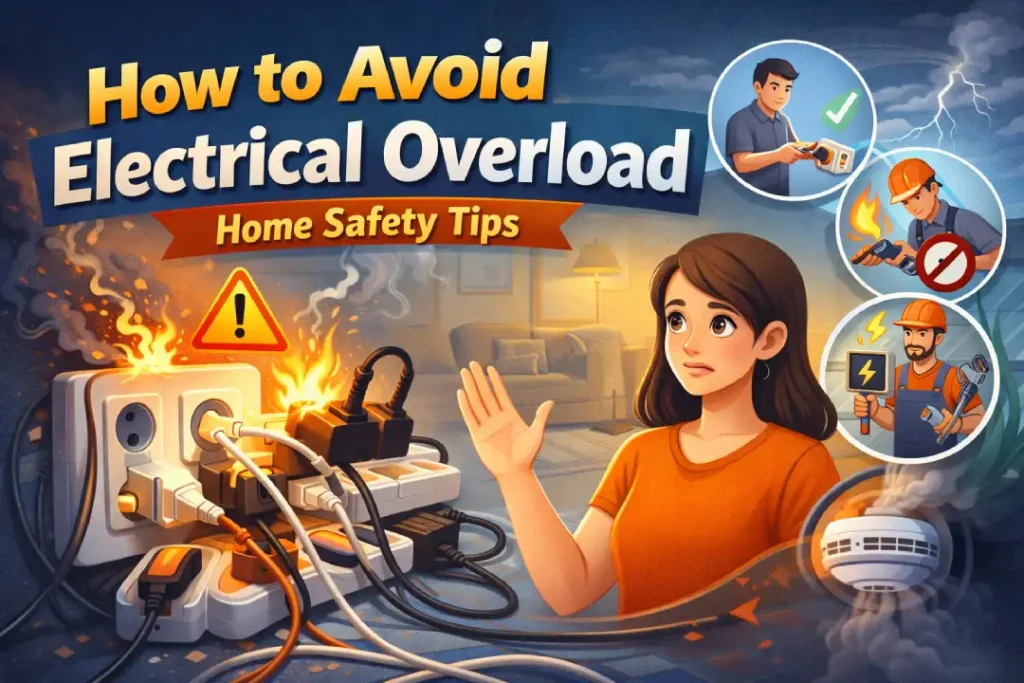
Plugging too many high-powered appliances into a single power strip may seem harmless, but it can quickly lead to a fire or damage your devices. For many Singaporean families, the main issue is the buildup of heat in old wiring, which goes unnoticed until something goes wrong. Our guide on how to Avoid Electrical Overload shows you how to calculate circuit capacity, spot warning signs like flickering lights, and distribute the load to keep your home safe. We’ll teach you simple safety habits and tips to protect your electronics and ensure your home meets local safety standards.
Understanding Electrical Overloads and Their Causes
Before diving into how to prevent electrical overloads, it’s essential to understand what they are and how they happen. Electrical overloads occur when a circuit in your home carries more electrical current than it’s designed to handle. This situation can cause the circuit breaker to trip, or worse, lead to overheating, sparking, or even fires if left unchecked.
What is an Electrical Overload?
An electrical overload happens when you plug too many appliances into a single outlet or circuit, pushing it beyond its safe capacity. Every circuit in your home has a set amperage rating (usually 15 or 20 amps), and exceeding this load can lead to potential danger. When too much power is drawn from one circuit, it can cause the wires to heat up, leading to issues such as tripped breakers, flickering lights, and in extreme cases, fire hazards.
For example, using high-powered devices like air conditioners, microwaves, or hairdryers simultaneously on the same circuit can quickly lead to overloading. This is especially common in homes where multiple devices are plugged into a single power socket, which can place a tremendous strain on the electrical system.
Causes of Electrical Overload
Several factors contribute to electrical overloads, including:
- Excessive Power Draw: Appliances like air conditioners, refrigerators, and microwaves consume large amounts of electricity, and overloading a single circuit with such appliances can quickly result in an overload.
- Improper Wiring: Over time, wiring can degrade, or if it was improperly installed, it may not be able to handle the load. Faulty wiring is a common cause of electrical issues, including overloads.
- Multiple Devices on One Circuit: Many homeowners make the mistake of plugging too many devices into one outlet or power strip, which can easily overload the circuit. Power strips should be used carefully and only for light-use devices.
How to Avoid Overloading Circuits
Now that we understand the risks and causes of electrical overloads, let’s discuss practical steps to prevent them in your home. The goal is to ensure that your electrical system runs safely, preventing any strain on circuits and ensuring that appliances function properly without causing damage to your home’s wiring.

Know Your Circuit Breaker Capacity
One of the first steps in preventing overloads is understanding the capacity of your home’s circuit breakers. The circuit breaker in your electrical panel serves as a protective measure, automatically shutting off power if a circuit is overloaded. It’s important to know the amperage rating of your breakers, as each circuit has a specific limit (usually 15A or 20A in residential settings). Each circuit in a Singaporean home must comply with the EMA electrical safety standards, which dictate the maximum load allowed for different wire gauges
- How to Check Your Circuit Breaker Capacity: You can typically find the amperage rating labeled on the breaker itself. If you’re unsure, consult with a professional electrician.
- When to Upgrade: If you find that your home regularly trips breakers, or if your circuit capacity is insufficient for modern appliances, consider having an electrician upgrade your electrical system. In some cases, older homes may require new wiring or circuit breakers to support the needs of today’s appliances.
Distribute Your Appliances Wisely
One of the simplest ways to avoid overloading a circuit is by ensuring that you distribute your appliances across different circuits. Many homeowners make the mistake of placing multiple high-power appliances (like air conditioners or microwaves) on the same circuit. This increases the load and can easily cause the circuit to exceed its safe capacity.
- How to Distribute Appliances: Identify the devices in your home that require the most power and try to plug them into separate outlets on different circuits. For example, your air conditioning unit should ideally have its own dedicated circuit.
- Avoid Overloading Power Strips: Be mindful of the number of devices plugged into each power strip. Power strips should be used for low-power devices, such as lamps or chargers. Avoid daisy-chaining multiple power strips together, as this can easily lead to an overloaded circuit.
Use Power Strips and Surge Protectors Wisely
While power strips are convenient, they should be used carefully to avoid overloading your outlets. Power strips can only handle so much electricity, and if too many devices are plugged in, they can overdraw from the circuit, causing an overload.
- Choosing the Right Power Strip: Make sure the power strip has a sufficient amperage rating to handle the devices you’re plugging into it. Opt for power strips with built-in surge protectors to protect against power surges and spikes.
- Surge Protectors: These are essential for protecting sensitive electronics (like computers or televisions) from sudden spikes in electricity. Surge protectors help maintain safe power levels and prevent potential damage to your devices.
Install Additional Circuits if Necessary
In homes with multiple high-powered appliances, it may be necessary to install additional circuits to handle the load. A professional electrician can assess your home’s electrical system and add new circuits where needed. This ensures that power-hungry devices like refrigerators, air conditioners, and washers have dedicated circuits, preventing them from overloading shared circuits.
- Upgrading Your Electrical System: If your electrical system is outdated or unable to handle modern appliances, you may need to consider upgrading your electrical panel. This will allow you to safely add additional circuits and distribute the load more effectively.
- Professional Help: Always hire a licensed electrician to install new circuits or upgrade your panel to ensure that it’s done safely and to code.
Regularly Check Your Wiring and Outlets
Electrical wiring and outlets can degrade over time, especially in older homes. Regularly inspecting these components is essential for preventing overloads and keeping your electrical system safe.
- Check for Wear and Tear: Look for signs of overheating, such as discolored outlets, burn marks, or sparks. If you notice any of these signs, it’s essential to call a professional to inspect and replace the wiring.
- Wiring Upgrades: In homes with older wiring, consider having the wiring upgraded to handle modern loads. An electrician can inspect the wiring and ensure it’s up to current safety standards.
Educate Your Household on Electrical Safety
One of the simplest but most effective ways to prevent electrical overloads is by educating everyone in your household on electrical safety. Often, electrical overloads happen due to a lack of awareness about how to properly use power outlets and distribute electrical loads.
- Teach Safe Usage Habits: Make sure everyone in the home knows which appliances are high-power and should be used sparingly or on dedicated circuits. For instance, educate children and other family members about the dangers of overloading power strips or leaving appliances plugged in when not in use.
- Promote Energy Conservation: Encourage your family to use energy-efficient appliances and lights, as this reduces the overall demand on your home’s electrical system.
Use Energy-Efficient Appliances
Upgrading to energy-efficient appliances not only saves you money on your energy bills, but it can also help you avoid overloading circuits. Energy-efficient appliances like LED lights, refrigerators, and air conditioners use less electricity, which eases the strain on circuits.
- Look for the Energy Star Label: Choose appliances with the Energy Star label, which indicates that the device has been tested for energy efficiency. These appliances consume less power, reducing the load on your circuits.
- Smart Home Devices: Invest in smart home technology, such as smart thermostats and smart plugs, that allow you to control appliances remotely and even schedule usage. This can help balance the load on your circuits and prevent overloads.
Upgrade Your Home’s Electrical System
For homes with a lot of electrical devices or older wiring, upgrading your electrical system may be necessary. If you frequently experience tripped circuit breakers or overloaded circuits, it may be time for an upgrade.
- Electrical Panel Upgrade: An outdated electrical panel might not be able to handle the load of modern devices. An upgrade to a higher-capacity panel can allow you to distribute electricity more effectively throughout your home.
- Rewiring Older Homes: Homes built many years ago may have outdated wiring that is not designed to handle today’s electrical demands. A rewiring of the house ensures that the system can support the use of modern appliances without the risk of overloads.
If you’re unsure whether your home’s electrical system needs an upgrade, it’s best to consult with a licensed electrician. An expert can perform an electrical inspection and recommend improvements to ensure safety and efficiency.
Signs of an Overloaded Circuit
Being able to recognize the signs of an overloaded circuit early is crucial for preventing more severe damage, such as fires or permanent damage to your appliances. Here are some of the warning signs that indicate your electrical system may be overloaded. If your circuit breaker trips repeatedly, it indicates that the circuit is being overloaded; our electrical troubleshooting experts can help pinpoint the exact device or wire causing the fault.
Frequent Tripped Circuit Breakers
One of the most noticeable signs of an overloaded circuit is a frequently tripped circuit breaker. Circuit breakers are designed to automatically shut off power to a circuit if it’s overloaded, which prevents the wiring from overheating.
- What It Means: If your circuit breaker trips repeatedly, it indicates that the circuit is being overloaded, possibly because too many appliances are plugged in or the circuit capacity is insufficient for the load.
- What to Do: Distribute your appliances more evenly across different circuits. If this doesn’t solve the problem, it may be time to upgrade your circuit or add additional circuits to handle the load.
Dimming or Flickering Lights
Another clear sign of an electrical overload is when your lights start to dim or flicker, especially when high-power devices are turned on. This issue occurs because the circuit is struggling to provide enough power to the lights and the additional devices.
- What It Means: Dimming or flickering lights are often caused by an inconsistent power supply due to an overloaded circuit.
- What to Do: Ensure that lights are on their own dedicated circuit. Avoid overloading the circuit by plugging in too many appliances that draw significant power.
Warm or Hot Outlets and Switches
An outlet or switch that feels warm or hot to the touch is a serious red flag. This indicates that the wiring in that part of the circuit is overheating due to an overload.
- What It Means: Overheating outlets and switches can be a sign that the circuit is drawing more power than it can handle, which could eventually lead to a fire.
- What to Do: Unplug any devices from the outlet immediately and do not use the outlet again until it has been inspected by an electrician.
Burning Smell or Sparks
A burning smell or sparks coming from an outlet is one of the most dangerous signs of an overloaded circuit. This could mean that the wiring has overheated, causing the insulation to burn.
- What It Means: This is an immediate sign of an emergency. Overloaded circuits can cause the wiring to become so hot that it sparks or emits a burning smell, which could eventually lead to a fire.
- What to Do: Turn off the power immediately at the circuit breaker, and call a licensed electrician to inspect the wiring and make necessary repairs.
When to Call a Professional Electrician
While many electrical overload issues can be prevented with proper knowledge and maintenance, there are times when professional help is necessary. It’s important to know when to reach out to a licensed electrician to ensure that your home’s electrical system is safe and up to code.
Signs That Require an Electrician
If you notice any of the following signs, it’s crucial to call an electrician immediately:
- Frequent Tripped Circuit Breakers: If your circuit breakers are tripping regularly, it’s a clear sign that your circuit is overloaded or that there’s a fault somewhere in the system. An electrician can help redistribute the load, or upgrade the circuit to accommodate the devices in your home.
- Overheated Outlets or Switches: Outlets or switches that are hot to the touch can indicate overheating and potential damage to the wiring. This is not a situation you want to ignore, as it can lead to fires.
- Burning Smell or Sparks: If you notice any burning smells or sparks from outlets, it’s an immediate emergency. Turn off the power at the circuit breaker and call a professional to prevent a fire.
- Flickering Lights: Persistent flickering or dimming lights may signal that your circuit is overloaded, or it may be caused by wiring problems. A licensed electrician can inspect your wiring and determine the cause.
If any of these issues occur, it’s best to err on the side of caution and have a professional electrician inspect your home’s electrical system to ensure everything is functioning safely.
Why DIY Electrical Work is Dangerous
Many homeowners might be tempted to solve electrical problems themselves, but DIY electrical work can be extremely dangerous. Here are a few reasons why it’s always best to hire a professional:
- Safety: Electrical systems are complex, and improper handling can lead to serious injury or even death from electrical shock.
- Code Compliance: Electrical systems need to be installed and maintained according to local building codes. An unlicensed person may inadvertently violate these codes, which could lead to fines, issues with insurance claims, or failure to pass an inspection.
- Long-Term Damage: Attempting to fix electrical issues yourself can lead to more expensive repairs in the future if the problem is not addressed properly. A professional will ensure that the job is done right the first time, avoiding unnecessary future costs.
Hiring a professional electrician ensures that the job is done safely, efficiently, and according to the necessary standards.
How LS Electrician Services Singapore Can Help
If you suspect that your home’s electrical system is overloaded, or if you’re concerned about the safety of your wiring, don’t hesitate to contact LS Electrician Services Singapore. Our team of licensed electricians is equipped to handle all your electrical needs, including:
- Electrical Inspections: We can assess your home’s electrical system to ensure it’s functioning safely and efficiently.
- Circuit Upgrades: If your current circuits aren’t enough to support modern appliances, we can upgrade your system to meet your needs.
- Wiring and Outlet Repairs: If you have faulty wiring or outlets, we can repair or replace them to prevent overloads and ensure your home is safe.
- 24/7 Emergency Services: If you experience any electrical emergencies, such as tripped breakers or burning smells, we’re available for quick response and repairs.
Our team has years of experience in the industry, and we prioritize safety, quality, and customer satisfaction in every job. Let us help you avoid electrical overloads and keep your home’s electrical system safe.
Final Thoughts
Electrical overloads are a serious safety concern in every home, but with the right knowledge and precautions, they can be easily prevented. By understanding the capacity of your circuits, distributing your appliances wisely, using power strips responsibly, and knowing the signs of an overload, you can keep your home safe from electrical hazards. Regular maintenance and inspections are key to ensuring your electrical system can handle the load.
If you’re unsure about the condition of your electrical system or if you’ve experienced any of the warning signs mentioned, don’t hesitate to contact Electrician Services Singapore. Our expert electricians are here to help you maintain a safe and efficient home. Protect your family, your home, and your appliances by taking the necessary steps to prevent electrical overloads today!